Living March 25, 2026

Top Home Design Trends to Know in 2026

SOURCE: Windermere

Design trends have always reflected more than style. They reflect how people want to live. And as we move into 2026, home design continues to shift away from one-size-fits-all aesthetics and toward spaces that feel intentional, expressive, and more personal.

After several years shaped by minimalism, fast trends, and highly curated interiors, homeowners are now prioritizing warmth, character, and longevity, creating environments that support everyday life.  That shift is reflected across design forecasts, color reports, and industry insights, where a few defining themes continue to show up. These are the top interior design trends shaping homes in 2026 and how they translate into real, livable spaces.

Lived-In, Layered Interiors

In recent years, many interiors have leaned towards polished, photo-ready spaces that always look perfect. In 2026, that approach continues to soften, and perfection takes a back seat to personality.

Layered, collected interiors are leading the way. Spaces that look as though they have come together over time feel warmer and more inviting. Mixing vintage with new pieces, displaying meaningful objects, and creating soft structure through books, art, textiles, and ceramics adds depth and story. A worn wood table, a reupholstered vintage chair, or a gallery wall that grows naturally gives a home character that can’t be replaced overnight.

Rich, Grounding Color Palettes

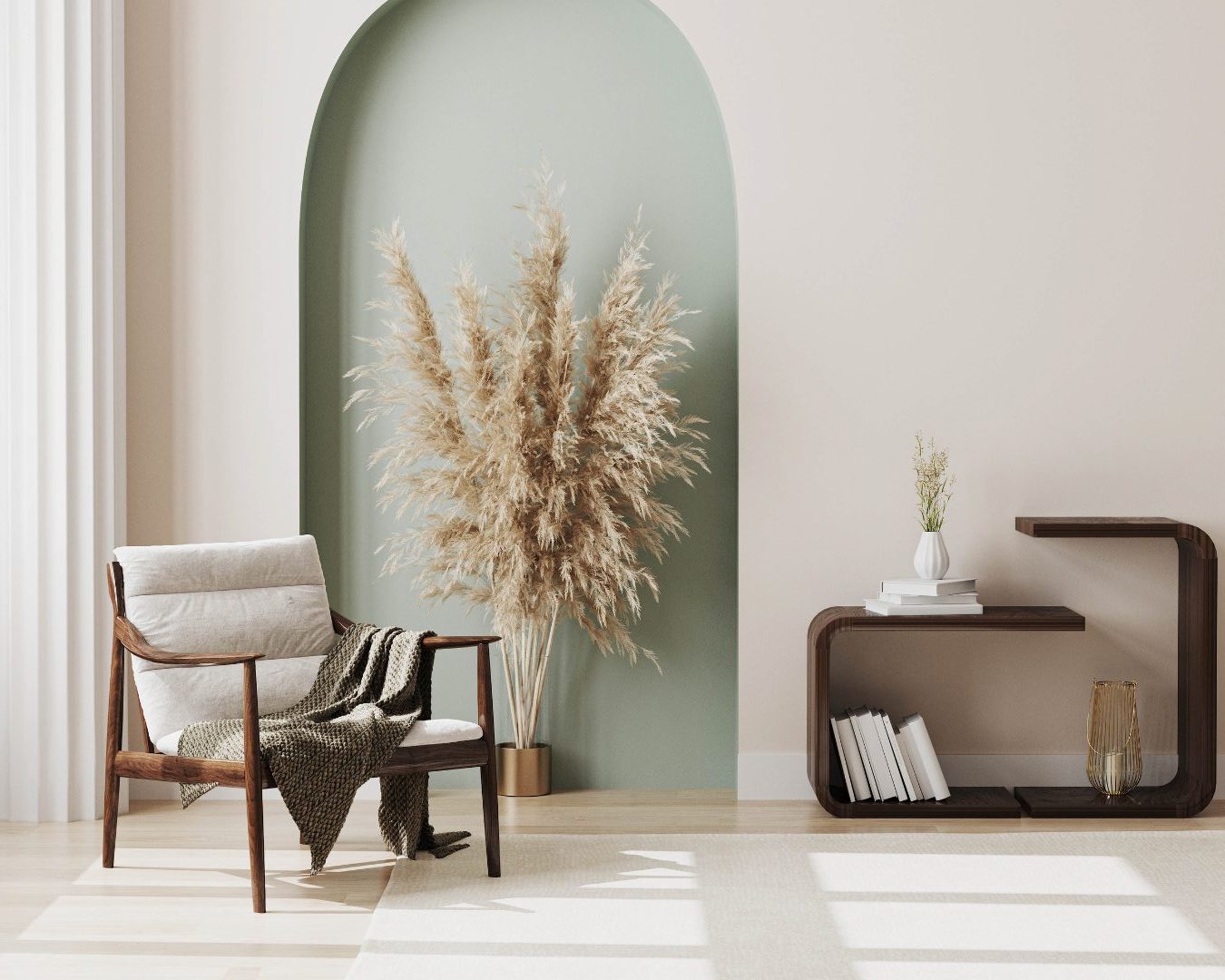
Color continues to shape how a home feels, and 2026 paint color trends lean into depth with a calming edge. Think nature-inspire tones like smoky blues, warm browns, muted reds, and softened neutrals that ground a room without feeling heavy.

Behr’s 2026 Color of the Year, Hidden Gem, fits beautifully into this direction. It’s a smoky green-blue that feels rich yet refined, perfect for homeowners who want a space that’s serene yet still has presence. Similar color stories are appearing across other forecasts too, from patina-inspired blues, greens, and browns to warm khakis and layered whites.

Color Drenching and Moody Rooms

If you’re seeing more immersive, saturated rooms online, that’s no accident. Color drenching, which uses a single hue across walls, trims, and sometimes ceilings, continues to rise as one of the standout interior design trends in 2026. When done thoughtfully, it creates a cocoon-like effect that feels polished, intimate, and cohesive.

This is also part of a broader shift toward moodier spaces. Deeper greens, tobacco-inspired browns, warm blacks, and earth reds are showing up in dining rooms, powder baths, offices, and libraries. The key is balance—pairing saturated color with warm wood, soft lighting, and texture to keep the room inviting.

Warm Woods and Character Grain

Wood is making a confident return in 2026, but not in a shiny, match-everything way. Interiors now favor deeper stains, visible grain, and pieces with real character. Reclaimed materials, vintage finds, and finishes that show variation all add warmth and depth.

This shows up in kitchens, furniture, and architectural details like beams, built-ins, and trim. If you’re bringing wood into your home, Minwax’s 2026 Stain Color of the Year, Special Walnut, fits the mood: a warm, versatile brown that enhances natural grain and works across styles from modern to traditional.

Paired with stone, linen, and even metal, wood brings warmth and timelessness—two qualities today’s buyers tend to notice immediately when they walk into a home.

Texture as the New Luxury

Another defining shift in home décor trends for 2026 is the return of texture, especially tactile, handcrafted, and visually soft elements. Textile wall hangings, tapestries, layered rugs, and subtle decorative trims like fringe and tassels are making an easy way to add depth without clutter. You don’t need to go maximal to make it work. A fabric panel hung like art, a woven wall piece, or even vintage textiles repurposed as décor can make a space feel warmer and more grounded. In a world that often feels overly digital, texture brings a human, lived-in quality that’s hard to fake.

Function Forward Design

Function continues to shape design decisions in 2026. Modular furniture, flexible layouts, and thoughtful storage solutions are becoming more prevalent as homes are expected to support multiple roles. Benches with hidden storage, ottomans that double as work surfaces, and adaptable seating arrangements allow spaces to shift easily between hosting, working, and relaxing.

Sustainability as the Standard

Sustainability is no longer a niche consideration. In 2026, it’s an expectation. It shows up in material choices, sourcing, and the lifespan of the pieces we bring into our homes. Homeowners are paying close attention to upgrades that support energy efficiency and long-term livability.

At the same time, thrifting and buying secondhand continue to grow across age groups, driven by both environmental awareness and the search for higher-quality materials. Vintage and antique furniture often offers better craftsmanship and longevity than mass-produced alternatives, while adding instant character to a space.

Whether you’re updating a room or thinking about your next move, these trends offer a thoughtful lens for creating a home that feels both current and enduring.

Connect with me to talk about your next move and how to design a home that fits the way you live.

SOURCE: Windermere

Sellers March 12, 2026

Refinance or Sell? Making the Right Move for Your Home

SOURCE: Windermere

Homeownership isn’t a one-size-fits-all, and neither are the financial decisions that come with it. At some point, many homeowners reach a familiar fork in the road: Should I refinance my mortgage, or is it time to sell?

The right answer depends on a mix of factors, including your financial health, today’s interest rate environment, your home’s equity, and where you see yourself and your household in the next few years. Let’s walk through both options so you can decide what makes the most sense for you, not just on paper, but in real life.

Refinancing vs. Selling

If your current mortgage no longer feels like the right fit, you generally have two paths forward: refinancing or selling. Refinancing your home allows you to renegotiate the terms of your existing loan, potentially changing your interest rate, loan term, or monthly payment. Selling, on the other hand, can free up equity and open the door to your next chapter. So, how do you decide between the two? The key is to understand what each one offers and what it requires so you can move forward with confidence.

Refinancing Your Home

There are a few reasons homeowners typically refinance their mortgages, the most common being falling interest rates. Lower interest rates after a mortgage reassessment translate into lower monthly payments and significant savings over the life of the loan. If your finances have improved since you initially secured your mortgage—for example, your debt-to-income ratio has improved, or you’ve bumped up your credit score—you may be able to lock in a better rate with your lender. Refinancing your home could also put cash in your pocket. “Cash-out refinancing” allows you to accept a mortgage for more than your principal balance and use the extra money at your discretion. Typically, homeowners will use such funds for significant expenses, such as a major renovation or home improvement project.

Homeowners with Adjustable-Rate Mortgages (ARMs) often refinance into a Fixed-Rate Mortgage to lock in a stable rate for the remainder of the loan term.

Refinancing can also change the length of your loan. Moving from a 30-year mortgage to a 15-year termmay reduce the total interest you pay over time, while extending a loan term can lower monthly payments if cash flow is a concern. As with most financial decisions, it’s about balance and knowing the tradeoffs.

Keep in mind that refinancing your home involves getting a new mortgage, so you’ll have to go through the qualification process again. Assess your financial health and equity before you apply. Once you’re ready to move forward, your Windermere agent can recommend a few trusted lenders or mortgage brokers to provide you with a quote.

Selling Your Home

Selling your home is a bigger shift—but sometimes it’s the right one. If your home no longer fits your lifestyle, or if you’re sitting on significant equity, selling can provide financial flexibility to move forward on your terms. Your agent will start by conducting a Comparative Market Analysis (CMA) to determine your home’s value, taking into account current market conditions, location, seasonality, and your home’s unique features.

Although you stand to receive a lump-sum cash payment, selling your home comes with its own set of costs. Paying for repairs, home inspections, staging expenses, agent commissions, not to mention buying or renting your next home, as well as moving fees. This can add up, so it’s important to budget appropriately. Selling your home also means you’ll be uprooting the life you and your household have established there, so it’s necessary to have a plan for your next steps before the “For Sale” sign goes in the ground.

For personalized guidance on selling or refinancing, let’s connect!

SOURCE: Windermere

Design February 9, 2026

What Is Foursquare Architecture? A Guide to Prairie Box Homes

SOURCE: Windermere

If you’ve ever walked through an older neighborhood and felt drawn to a home that looks balanced, practical, and quietly confident, you were likely looking at an American Foursquare. Sometimes called a Prairie Box or Prairie Cube, this architectural style is one of the most straightforward designs in the American architectural tradition, and one of the most enduring.

Popular from the late 1890s through the 1920s, the Foursquare emerged during a time when ornateVictorian homes dominated the landscape. In contrast, these homes favored simplicity, efficiency, and sold craftsmanship. Influenced by the Prairie and Arts and Crafts movements, the Foursquare prioritized thoughtful design over decoration, making it both practical and approachable.

A Shape That Works

True to its name, the Foursquare is defined by its box-style construction. The home’s nearly square footprint creates a symmetrical form, with rooms occupying each quadrant. Most Foursquares are two to two-and-a-half stories tall, with the half story tucked into a spacious attic. This efficient layout was intentionally designed to make the most of smaller lot sizes while still providing generous living space.

Rooflines, Porches, and Presence

A low-pitched hipped roof is one of the most recognizable features of a Foursquare home. The roof slopes evenly on all four sides, often forming a pyramid shape, and is frequently paired with a central dormer window that brings light and air into the attic level.

Many Foursquares also feature a covered front porch—sometimes spanning the full width of the home—supported by simple columns. These porches extend the living space outdoors and give a home a welcoming, grounded presence on the street.

Materials and Details

Building materials for Foursquare homes vary by region, with brick and wood being the most common. While the exterior design remains restrained, later models often incorporate Arts and Crafts details,especially inside the home. Built-in shelves, benches, bookcases, and window seats add warmth and function without excess ornamentation.

Inside the Foursquare

The interior layout reflects the same efficiency seen on the exterior. Traditionally, the main floor contains shared living spaces such as the living room, dining room, kitchen, and entryway, while bedrooms are located on the second floor. Hallways are minimal, and because each room typically sits at a corner of the home, natural light enters from multiple directions, a detail that homeowners still appreciate today.

Why Foursquare Homes Still Matter

More than a century later, American Foursquare homes remain highly desirable for their smart layouts, timeless proportions, and understated character. They’re homes designed to work well, on their lots, in their neighborhoods, and in everyday life. That kind of thoughtful simplicity never goes out of style.

SOURCE: Windermere

Buyers January 27, 2026

The Top Questions Every Buyer Should Ask Their Real Estate Agent

SOURCE: Windermere

Buying a home is a major milestone, and it comes with a lot of decisions, details, and moving parts. While online searches and market headlines can offer helpful context, there’s no substitute for having a knowledgeable real estate professional by your side.

The right agent does more than show homes. They help you understand the market, weigh opportunities, and make informed choices at every stage of the process. Asking thoughtful questions early on can set the tone for a smoother, more confident homebuying experience.

Here are some of the most important questions every buyer should ask their real estate agent, and why they matter.

Ask Them About Themselves

Choosing a real estate agent is about more than credentials and experience; it’s also about fit. Before deciding who to work with, take time to get to know your agent as a person.

Ask them about their background, how they work, and what drew them to real estate. Having an agent with a similar communication style, lifestyle, or understanding of your priorities makes the process feel more comfortable and collaborative. At the end of the day, this is someone you’ll be working closely with during one of the most important life decisions, so feeling aligned and understood matters.

What Services Do You Provide Me as My Agent?

Real estate agents offer a wide range of services, and not all approaches look the same. That’s why it’s essential to understand exactly how an agent will support you throughout the buying process.

Ask what services they provide from start to finish–such as market research, property tours, negotiation, inspection, and coordination through closing. You may also want to ask what tools or resources they use, and how involved they are at each stage.

In addition, it’s helpful to ask whether your agent can recommend trusted service providers—such as lenders, inspectors, contractors, or other professionals who can assist with financing, repairs, and other tasks that come up before closing. Having access to a reliable network can help streamline the process and reduce stress.

What’s Happening in the Market Right Now?

Real estate markets are constantly evolving, and what’s happening nationally doesn’t always reflect what’s happening locally. Ask your agent:

  • How is the market performing in the areas I’m considering?
  • Are homes selling quickly, or are buyers taking more time to decide?
  • What trends should I be aware of at my price point?
  • What strategies are working well for buyers right now?

A strong agent will provide local insight and context, helping you understand not just the numbers, but what they mean for you as a buyer.

How Should I Prepare Financially Before I Start Making Offers?

Being financially prepared goes well beyond getting pre-approved. While your lender will guide you through financing specifics, your real estate agent plays a key role in helping you understand how those details shape your overall buying strategy.

Your agent should help you think through what sellers are typically looking for in an offer, how loan terms, contingencies, and timelines can influence negotiations, and how to plan for additional costs before, during, and after the purchase.

What Should I Prioritize and Where Can I Be Flexible?

Most buyers begin their search with a list of wants and needs, but flexibility can often open the door to better opportunities.

A knowledgeable agent can help you identify which features are essential and which are optional, understand how factors like location, layout, and condition affect a home’s value, and balance your lifestyle preferences with long-term considerations. An experienced agent brings perspective, helping you see the bigger picture while keeping your goals front and center throughout the process.

What’s Your Approach to Pricing and Making an Offer?

Every offer should be strategic and tailored to the situation. Your agent should be able to clearly explain how they evaluate pricing and market value, what factors influence offer terms beyond price, and how inspections, contingencies, and timing play a role in negotiations.

Having this conversation early helps ensure you’re aligned and confident when it’s time to move forward, with a clear understanding of how your agent will advocate for you in a competitive and nuanced market.

How Will We Communicate Throughout the Process?

Clear communication is essential during a home purchase. Be sure to ask:

  • How often can I expect updates?
  • What’s the best way to reach you with questions?
  • How do you handle time-sensitive situations?

You should also ask what will be included in your written buyer agreement so you can have a clear understanding of roles and responsibilities. The right agent will set expectations early and make sure you feel informed and supported at every stage, from start to finish.

What Should I Know About a Home Before Making a Decision?

Once you’ve found a home you’re excited about, your agent’s guidance becomes even more important. They should help you understand:

  • How the home compares to similar properties.
  • What to expect during inspections.
  • Any potential considerations that could impact your decision.

This step isn’t about creating doubt; it’s about ensuring clarity, confidence, and peace of mind.

If you’re considering buying a home, let’s have a conversation. Asking the right questions and working together can help you navigate the homebuying process with confidence.

SOURCE: Windermere

Sellers December 13, 2025

Does Home Staging Really Work? What Sellers Should Know

SOURCE: Windermere

For more than 20 years, the benefits of home staging have been well documented. Countless studies have shown that staging helps homes sell more quickly, and often for a higher price. According to the National Association of REALTORS®, 30 percent of agents reported that staging led to a 1 to 10 percent increase in the dollar value offered by buyers, and nearly half of sellers’ agents said staging helped reduce the time on market. Studies also indicate that buyers can generally decide if they’re interested within the first 30 seconds of seeing a home.

Staging is all about creating a welcoming, move-in-ready atmosphere. It helps buyers picture themselves in the space, highlights your home’s best features, and minimizes anything that might distract from its potential. From small styling updates to full furniture placement, staging can make a big difference in how your home is perceived and how it performs on the market.

If you’re planning to sell, here’s why staging is still one of the smartest strategies you can use and how to make the most of it.

A Strong First Impression Starts Online

In 2023, the National Association of REALTORS® Generational Trends Report revealed that 96 percent of buyers now rely on the internet to search for their next home. And in a market where most buyers begin their home search online, how your home looks and feels from the start has never been more important. Your online photos, videos, and virtual tours should make buyers want to see more. Staging helps make that possible by photographing better, helping rooms look more spacious and inviting, and encouraging buyers to take the next step.

Thanks to newer tools like virtual staging and AI design platforms, sellers have more options than ever to enhance their home’s online presence. These can be especially helpful for vacant homes or spaces that are difficult to define, giving buyers a sense of scale, purpose, and warmth before setting foot in the front door.

What Rooms Matter Most?

Not every room in your home needs to be staged, but some have more influence on buyers than others. 37 percent of buyer’s agents say that the living room is the most important room to stage, followed by the primary bedroom at 34 percent, and the kitchen at 23 percent. These are the spaces where people imagine themselves spending the most time, relaxing, hosting, and settling into daily life.

Staging can also be especially helpful in vacant rooms or uniquely shaped rooms. A few well-placed pieces of furniture can help define how the space might be used and create a natural flow from room to room. When these rooms feel welcoming and well put together, buyers are more likely to see the home as a fit for their lifestyle. A little extra effort in the right spaces can go a long way toward making that connection.

Clear, Clean, and Clutter-Free

To further inspire buyers to imagine the space as their own, make sure every room—including closets and the garage—is clean and clutter-free. You may even want to hire professionals to give your home a thorough deep clean.

Family photos, personal memorabilia, and collectibles should be removed from the home for your safety. Closets, shelves, and other storage areas should be mostly empty. Workbenches should be free of tools and projects. Clear the kitchen counters, store non-necessary cookware, and remove magnets from the refrigerator door.

The same goes for furniture. If removing a chair, a lamp, a table, or other furnishings will make a particular space look larger or more inviting, then do it.

You don’t want your home to appear cold, unloved, or unlived-in, but you do want to remove distractions and provide prospective buyers with a blank canvas of sorts. Plus, de-cluttering your home now will make it that much easier to pack when it comes time to move.

Neutralize and Brighten

Every home is a personal expression of its owner. But when you become a seller, you’ll want to look for ways to make your home appeal to your target market. Keep in mind, your target market is the group of people most likely to be interested in a home like yours, which your agent can help you determine.

A good strategy for staging your home is to “neutralize” the design of your interior. A truly neutral interior design allows people to easily imagine their own belongings in the space—and to envision how some simple changes would make it uniquely their own.

Paint over bold wall colors with something more neutral, like a light beige, warm gray, or soft brown. The old advice used to be, “paint everything white,” but often that creates too sterile an environment, while dark colors can make a room look small, even a bit dirty. Muted tones and soft colors work best. Likewise, consider removing wallpaper if it’s a bold or busy design.

Lighting is key. Replace heavy, dark curtains with neutral-colored sheer versions; this will soften the hard edges around windows while letting in lots of natural light. Turn on lamps, and if necessary, install lighting fixtures to brighten any dark spaces—especially the entry area.

A Smart Investment with Lasting Impact

Staging is a powerful advantage when selling your home, but that’s not the only reason to do it. Staging uncovers problems that need to be addressed, repairs that need to be made, and upgrades that should be undertaken. Staged properties are more inviting, and that inspires the kind of peace of mind that gets buyers to sign on the dotted line. In the age of social media, a well-staged home is a home that stands out, gets shared, and sticks in people’s minds.

What’s more, the investment in staging can bring a higher price. According to the National Association of REALTORS®, the average staging investment is between 1 percent and 3 percent of the home’s asking price, and typically generates a return of 8 to 10 percent.

In short, with less time on the market and higher selling prices, the small cost of staging your home is a wise investment.

Where to Start

If you’re concerned about the additional cost of staging, rest assured. Even a relatively small investment of time and money can reap big returns. There are even things you can do yourself for little to no cost. Contact your agent for advice on how to stage your home most effectively or for a recommendation on a professional stager. While the simple interior design techniques outlined above may seem more like common sense than marketing magic, you’d be surprised at how many homeowners routinely overlook them. And the results are clear: staging your house to make it more appealing to buyers is often all it takes to speed the sale and boost the sale price.

Thinking about selling your home? Connect with me to learn more about staging and how it can help you get the best possible results.

SOURCE: Windermere


Design December 1, 2025

The Art of Pacific Lodge Architecture

SOUCE: Windermere 

The Pacific Northwest is known for its lush forests, rugged coastline, and stunning mountain ranges. Naturally, architects and designers in the region draw from this unique environment, combining indigenous design principles with earlier frontier styles to create what we now know as Pacific Lodge architecture.

From its defining features to its deep regional roots, here’s everything you need to know about the Pacific Lodge home style and how it embodies the spirit of the PNW.

What is Pacific Lodge Architecture?

Drawing inspiration from mountain lodges, traditional log cabins, and the naturally sourced materials abundant in the region, Pacific Lodge architecture reflects a sense of warmth and connection to the land. Reclaimed wood, exposed beams, and stone are often emphasized to create spaces that feel both grounded and inviting, while expansive windows that frame the surrounding landscape allow natural light to pour in, blurring the boundary between indoors and out. The combination of rugged materials and thoughtful design results in homes that are both cozy and grand, seamlessly blending comfort, craftsmanship, natural beauty, and enduring charm.

Key Features of Pacific Lodge Homes

Exposed Wood Construction

Exposed wood construction is one of the defining elements of the Pacific Lodge home style. Signature woods found in the area, like Cedar, Douglas fir, and Western Larch, are commonly used to generate openness and enhance the home’s natural aesthetic. Vaulted ceilings, soaring trusses, and large-scale exposed beams showcase these wooden elements, giving the home an inviting yet dramatic feel. These features celebrate the region’s timber-rich heritage and foster harmony between the home and its surrounding environment.

Expansive Living Spaces

Complementing the warmth and openness created by exposed wood, expansive living spaces are another essential feature of Pacific Lodge architecture. Open floor plans, high ceilings, and grand rooms characterize the Pacific Lodge home, along with common areas that are thoughtfully designed to flow seamlessly into each other, creating inviting spaces ideal for gathering. The broad nature of these rooms highlights natural light, further enhancing the warm and welcoming atmosphere.

Large Windows

Pacific Lodge architecture prominently features large windows, such as picture windows and floor-to-ceiling glass, making the living spaces feel even more expansive and connected to the outdoors. Given the region’s frequent rain and cloudy skies, maximizing light is especially valuable, and oversized windows help to enhance brightness throughout the home. These large windows not only frame beautiful exterior views but also blend indoor and outdoor spaces.

Warm & Inviting Interiors

The warm and inviting interiors complement Pacific Lodge homes’ distinctive charm by bringing all these elements together. Inside, you’ll find a thoughtful blend of cozy furnishings, earthy tones, and richly textured materials. Sizeable stone fireplaces, leather seating, and more wood finishes provide a comfortable backdrop, while natural textiles like wool throws, woven rugs, and iron accents reinforce the home’s rustic yet elegant appeal. Deep forest greens, rich burgundies, and warm amber hues are often incorporated to add depth and complement the home’s natural feel.

SOUCE: Windermere 

Buyers November 16, 2025

What is a Buyer-Agency Agreement and Why Does it Matter?

SOURCE: Windermere

In today’s evolving real estate landscape, one of the biggest changes buyers will encounter is the relatively new requirement to sign a Buyer Agency Agreement. While this added step may sound formal, it’s actually designed to make the home-buying process more transparent, secure, and ultimately more beneficial for everyone involved.

What is a Buyer-Agency Agreement?

At its core, a Buyer Agency Agreement is a written contract between you and your real estate agent. It outlines your working relationship, defining the agent’s responsibilities, the services they’ll provide, the duration of your partnership, and how their compensation will be handled. Think of it as the roadmap for your home-buying journey, ensuring everyone starts on the same page, with mutual understanding and trust.

Starting in mid-2024, the National Association of REALTORS® (NAR) began requiring agents to have a signed buyer agency agreement before showing homes to clients.  This change stems from a nationwide settlement designed to bring greater transparency and accountability to real estate transactions by ensuring all agent-buyer relationships are clearly defined in writing. In some markets, this requirement isn’t new; states like Washington, Idaho, and Utah have long recognized the importance of formalizing this relationship. But for many buyers, this will be their first time signing such an agreement, and understanding its purpose can make all the difference.

So, why does it matter?

Transparency and Trust

This agreement ensures clarity around both compensation and representation. It spells out how your agent is paid—whether by the seller, by the buyer, or by both—so there are no surprises later. With these details defined upfront, you can move forward with confidence, knowing your agent’s focus is squarely on your best interests.

Defined Roles and Responsibilities

A Buyer Agency Agreement clearly outlines what your agent will do for you: from helping you navigate listings and compare neighborhoods to guiding you through offers, inspections, and closing. It also defines your responsibilities as a buyer, such as communicating openly and working exclusively with your chosen agent throughout the duration of the agreement. Together, these expectations create a smoother, more collaborative experience.

Protection and Professionalism

Buying a home is one of life’s biggest investments, and having a written agreement in place protects both you and your agent by setting clear parameters for your working relationship. It ensures your agent is committed to advocating for your needs, maintaining confidentiality, and acting in your best interest throughout the process.

While some may see the Buyer Agency Agreement as an extra step, it’s really a safeguard, one that reinforces the professionalism and dedication that define Windermere Real Estate agents. It turns a handshake of trust into a documented commitment, empowering buyers to make confident, informed decisions at every stage of the journey.

Connect with me today to learn more about how we can help you navigate your home search with confidence.

SOURCE: Windermere

Living November 2, 2025

Bedding Basics: How to Fold a Fitted Sheet (and Other Handy Tips)

SOURCE: Windermere 

There’s something about slipping into a freshly made bed that just feels right. Crisp sheets, fluffed pillows, and a neatly folded duvet can turn even the simplest bedroom into a relaxing retreat. But before you get to the cozy part, it helps to know a few behind-the-scenes tricks, starting with how to properly fold a fitted sheet.

Whether you’re staging your home for buyers, organizing the linen closet, setting up a guest room, or want to bring more intention into your everyday routine, these tips can help you fold, layer, and care for your bedding like a pro.

The Secret to Folding a Fitted Sheet

Fitted sheets are notoriously frustrating to fold. But with a few simple steps, you can turn that tangled ball of fabric into a smooth, crisp square that stacks neatly in your linen closet.

1. Find the Corners

Hold the sheet lengthwise with the shorter sides hanging down and the longer sides running horizontally across your body. Place one hand inside each of the top two corners and flip the corners inside out. Turn the sheet to make sure the seams are facing you and the elastic is facing away.

2. Tuck the Top Corners

Take the corner in your right hand and fold it over the corner in your left hand, so the two corners are neatly tucked into each other, creating a pocket. Switch hands so that the pocket is now in your right hand.

3. Repeat with the Bottom Corners

With your right hand still inside the pocket you just made, reach down along the elastic with your left hand and locate the other pocket created by the bottom two corners. Holding both pockets in front of you, clap your hands together, tucking one pocket into the other. All four corners should now be tucked into each other, forming a rounded square shape.

4. Flatten and Shape

Place the sheet on a flat surface and square it off, smoothing and tucking any loose edges as you go. The elastic should form a “J” shape.

5. Fold It Up

From the bottom of the “J”, fold the sheet into thirds. Then fold the long rectangle into thirds again. The result should be a compact, tidy square that stacks easily in your linen closet.


More Tips to Keep Your Bedding Looking (and Feeling) Its Best

  • Rotate your sheets weekly to help them wear evenly and last longer.
  • Make putting on a duvet cover easier with the roll-up method (a.k.a. the “burrito” trick)
  • If you share a bed with a partner, try the Scandinavian sleep method by using two separate duvets for better sleep and fewer blanket battles.
  • Add pillow protectors under your pillowcases to help extend the life of your pillows and keep them clean.
  • A light linen or pillow spray can refresh your bedding between washes and create a calming bedtime ritual.
  • Store sheets inside a matching pillowcase to keep your linen closet neat, organized, and easy to navigate.
  • Size up your duvet insert for a fuller look and a cloud-like feel. You can also double up on duvet inserts for added warmth and a stylish look.
  • Layer with intention by using extra pillows and textured throws.
  • Ironing your pillowcases takes just a minute and makes your bed look freshly washed and made.
  • If your sheets tend to slip off the corners, try sheet holders, or you can even repurpose a few chip clips in a pinch.

Looking for more ways to elevate your space and simplify your daily routines? Visit the Living section of my blog.

Sellers October 16, 2025

Strategic Investments to Increase Home Value and Market Appeal

SOURCE: Windermere

When it’s time to sell your home, one of the biggest questions is how to make it as appealing as possible to today’s buyers. While market conditions, location, and timing all play a role, the updates you choose before listing can make a meaningful difference in both your selling price and how quickly your home goes under contract. The key is knowing where to invest your time and money. Not every project pays off, but some smart upgrades can give your home a competitive edge, help it stand out in online listings, and create the kind of first impression that gets buyers excited.

Here are some of the most impactful ways to invest in your home before putting it on the market.

Fresh Paint and a Neutral Palette

Few improvements have a more substantial return on investment than paint. A fresh coat instantly refreshes a space, making it feel clean, updated, and well-maintained. Neutral tones for interiors, such as soft grays, light beige, and crisp whites, appeal to the broadest audience and allows buyers to envision their own style in the home. It’s crucial not to overlook trim, doors, and even ceilings, as these small details help create a polished, move-in-ready feel. And if your front door could use a pop of personality, consider a bold, welcoming color that complements the rest of the exterior.

Curb Appeal That Counts

Buyers often form an impression before they even step inside. Landscaping, exterior lighting, and simple maintenance go a long way toward making your home inviting. Think trimmed hedges, fresh mulch, pressure-washed walkways, and a tidy lawn. It’s also smart to ensure outdoor areas are safe, from repairing uneven paths to addressing any obvious hazards.

Adding planters with seasonal flowers, updating house numbers, or swapping out an old mailbox can elevate your home’s appearance without requiring a significant investment. For buyers scrolling through listings, that curbside charm can be a deciding factor that gets them to schedule a showing.

Kitchen and Bathroom Touch-Ups

Kitchens and bathrooms continue to be high priorities for buyers, but you don’t need to take on a full remodel to make an impact. Small upgrades like replacing outdated cabinet hardware, installing new light fixtures, or swapping in modern faucets can transform the look of these spaces.

In the kitchen, consider updating your backsplash with a clean, timeless tile or refreshing worn countertops with a durable surface. In bathrooms, regrouting tile, caulking any cracks, replacing mirrors, or updating vanities are simple ways to modernize without overspending.

Flooring Matters

Floors are often one of the first things buyers notice when touring a home. If your carpets are worn or stained, professional cleaning or even replacement can make a big difference. Hardwood floors are especially appealing and refinishing them is often more cost-effective than replacing them.

For areas where replacement makes the most sense, consider durable and stylish options like engineered wood or luxury vinyl plank. Consistent flooring throughout the main living areas can also help a home feel more spacious and cohesive.

Energy-Efficient Features

Today’s buyers are increasingly focused on efficiency and sustainability. Investments like LED lighting, programmable thermostats, and updated appliances not only lower utility bills but also signal to buyers that the home is modern and thoughtfully maintained.

If your budget allows, new windows or improved insulation can add value while appealing to environmentally conscious buyers. Highlighting these upgrades in your listing helps showcase both comfort and cost savings.

Decluttering and Staging

Sometimes the most impactful upgrade isn’t about new finishes, it’s about presentation. Decluttering each room, minimizing personal items, and rearranging furniture to optimize space can dramatically change how buyers perceive your home. And the best part? It’s completely free.

Professional staging takes this one step further, creating a warm and welcoming atmosphere that helps buyers envision living in the space. Even small touches, like fresh flowers, cozy throws, and well-placed artwork, can make your home feel more stylish, comfortable, and truly move-in ready.

Making Smart Choices

The goal of any pre-sale investment is to spend strategically, choosing projects that increase appeal without overextending your budget.

At Windermere, our agents are experts at helping sellers decide which upgrades matter most. From recommending paint colors to connecting you with trusted contractors, we’re here to make sure you get the best return on your investment. Through our Windermere Ready program, we can even front the cost of improvements like painting, landscaping, cleaning, and staging so your home shines its brightest when it hits the market. With concierge-level service and no payments due until closing, it’s a simple way to maximize your home’s value and sell faster.

Connect with me to learn more about how I can help you prepare your home for the market with confidence.

SOURCE: Windermere

Design October 7, 2025

Kitchen Remodel Must Haves

SOURCE: Windermere

Many kitchen remodels are prompted by a desire for more storage, but there are plenty of reasons to want an upgrade. Whether your complaint is crowded counters, out-of-date appliances, or spending too much time cleaning up after a meal, there are ways to add functionality without sacrificing your aesthetic when you renovate your kitchen.

Storage

If you’re tired of finding expired food at the back of your lower cabinets or needing a step stool to reach items in the upper ones, roll-out cabinets and pantry shelves are a necessity. A roll-out garbage cabinetwill keep trash and recycling cans out of sight (and smell). Be sure to use heavy-duty, reinforced hinges that can bear the weight of two, full cans.

Toasters, coffee makers, blenders, and air fryers can easily overcrowd kitchen counters. Appliance garagesthat hide away commonly used kitchen appliances now come in just about every configuration you can think of. If you love baking, you probably love your stand-up mixer even more. But moving it around can be a pain. Fortunately, installing a mixer riser into a lower cabinet is relatively simple and will put your favorite appliance right where you need it, only when you need it.

Cooking

Though some passionate cooks still swear by their gas ranges, induction cooktops have become all the rage for several good reasons. In addition to being easier to clean than gas stoves, induction cooktops are more efficient because all the heat they produce goes directly to your cookware rather than into the atmosphere of your home. And with inductor stoves, you never have to worry about dangerous fumes or open flames.

You don’t have to be an avid entertainer or the one who hosts Thanksgiving every year to reap the benefits from a double oven. Even cooking dinner for one or two people can be a challenge when you need to roast or bake things for different times or at different temperatures. A double oven fixes that, and it can improve efficiency if you prepare a dish using only the smaller oven since it takes less energy to heat up a smaller space. For extra user-friendliness, install the oven at counter height so you don’t have to bend over to pull out heavy dishes

Speaking of heavy… if your sink and cooktop are a bit distant from each other, a pot filler installed on the wall behind your stove could be a game changer. Say goodbye to heaving large pots of sloshing water across the kitchen!

For as long as microwaves have been around, people have wondered how to get them off their counters or make them appear more attractive. These days, microwave drawers are the new must-have kitchen upgrade. Instead of a door that swings open, the microwave is the entire drawer that slides out, and it can go in your kitchen island or along any cabinet wall.

Cleaning

Kitchen floors are notoriously difficult to keep clean. Between meal prep, quick snacks in front of the fridge, and near-constant traffic, crumbs and dust pile up quickly. If your home already has a central vacuum system, putting a vacuum slot in the kitchen makes clean ups a breeze. Simply sweep scraps into the slot—no more bending over with the dustpan. If you don’t have a central vacuum system, there are vacuum slot inserts on the market that use a traditional replaceable bag to collect what you sweep up.

If you’ve ever watched a mixologist or bartender shake up your cocktail and then place the shaker on top of a device that shoots up warm water to clean it, you’ve seen a glass rinser in action. Installing one in your own sink adds a touch of sophistication to your kitchen and makes cleaning glasses easier and more efficient, especially for those glasses that can’t go in the dishwasher or don’t fit on the top shelf.

It seems that a modern kitchen renovation isn’t complete until you’ve installed a large, single basin sink.There’s good reason for their increased popularity: more room to soak large dishes, easier to clean, etc. To really boost the usability of a single basin sink, consider adding hardware that makes it an efficient workstation. Drying racks, cutting boards, and colanders are readily available, easy to install, and will make your extra-large sink extra handy.


SOURCE: Windermere